

Overview
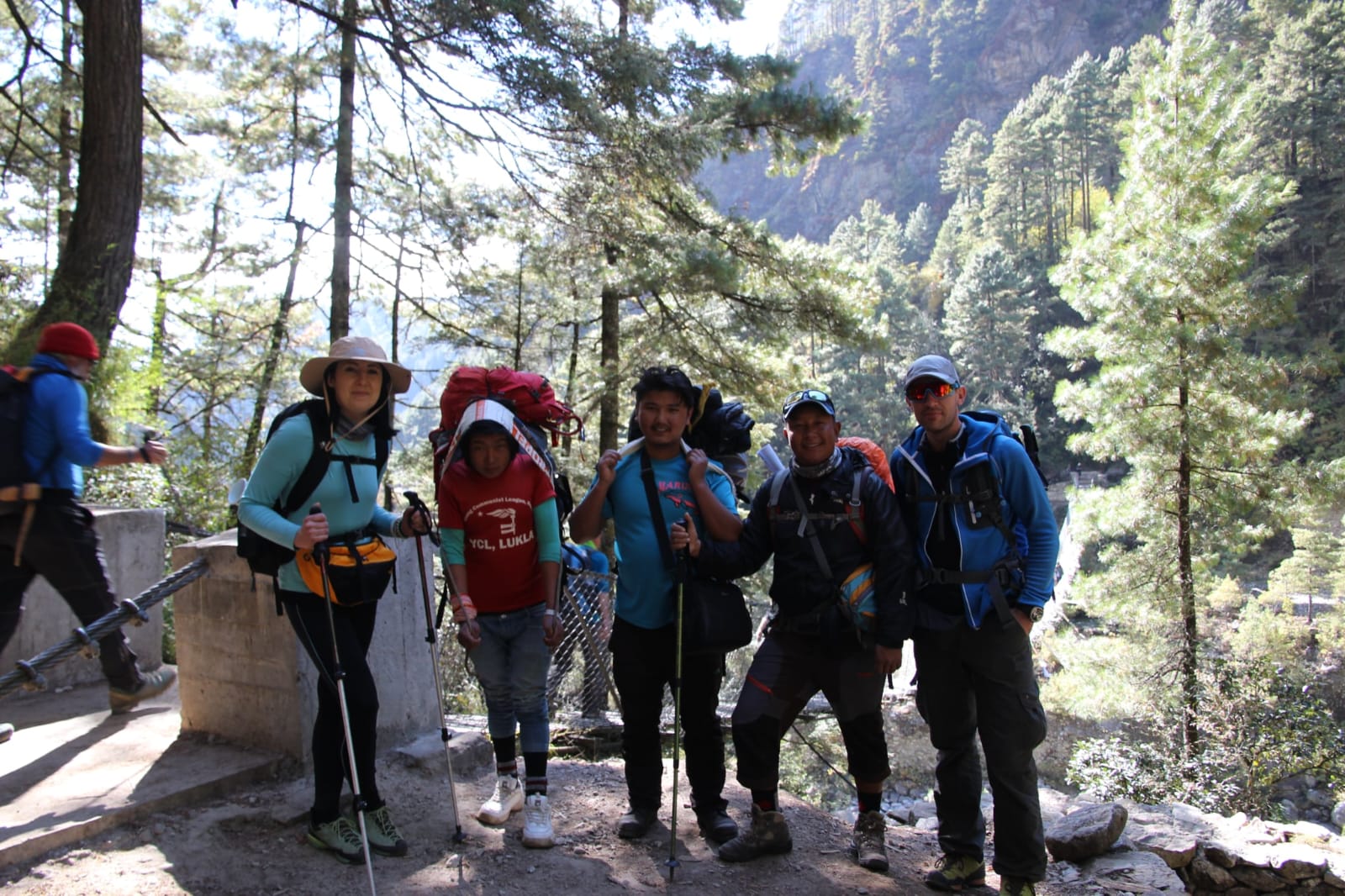
Everest Base Camp Trek is one of the most popular and rewarding trekking adventures in Nepal, offering an unforgettable journey to the foothills of the world’s highest mountain, Mount Everest (8,848.86m). This iconic trek takes you deep into the beautiful Khumbu region, where you can experience breathtaking Himalayan landscapes, rich Sherpa culture, and the true spirit of mountain adventure.
The journey begins with an exciting flight from Kathmandu to Lukla and follows the legendary trail through charming Sherpa villages, ancient monasteries, alpine forests, and dramatic mountain valleys. During the trek, you will explore famous destinations like Namche Bazaar, Tengboche, Dingboche, Lobuche, and Gorak Shep, while enjoying spectacular views of Everest, Lhotse, Nuptse, Ama Dablam, and other snow-covered peaks.
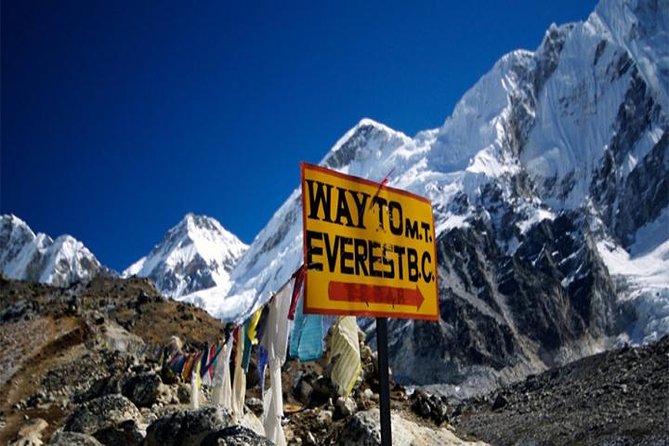
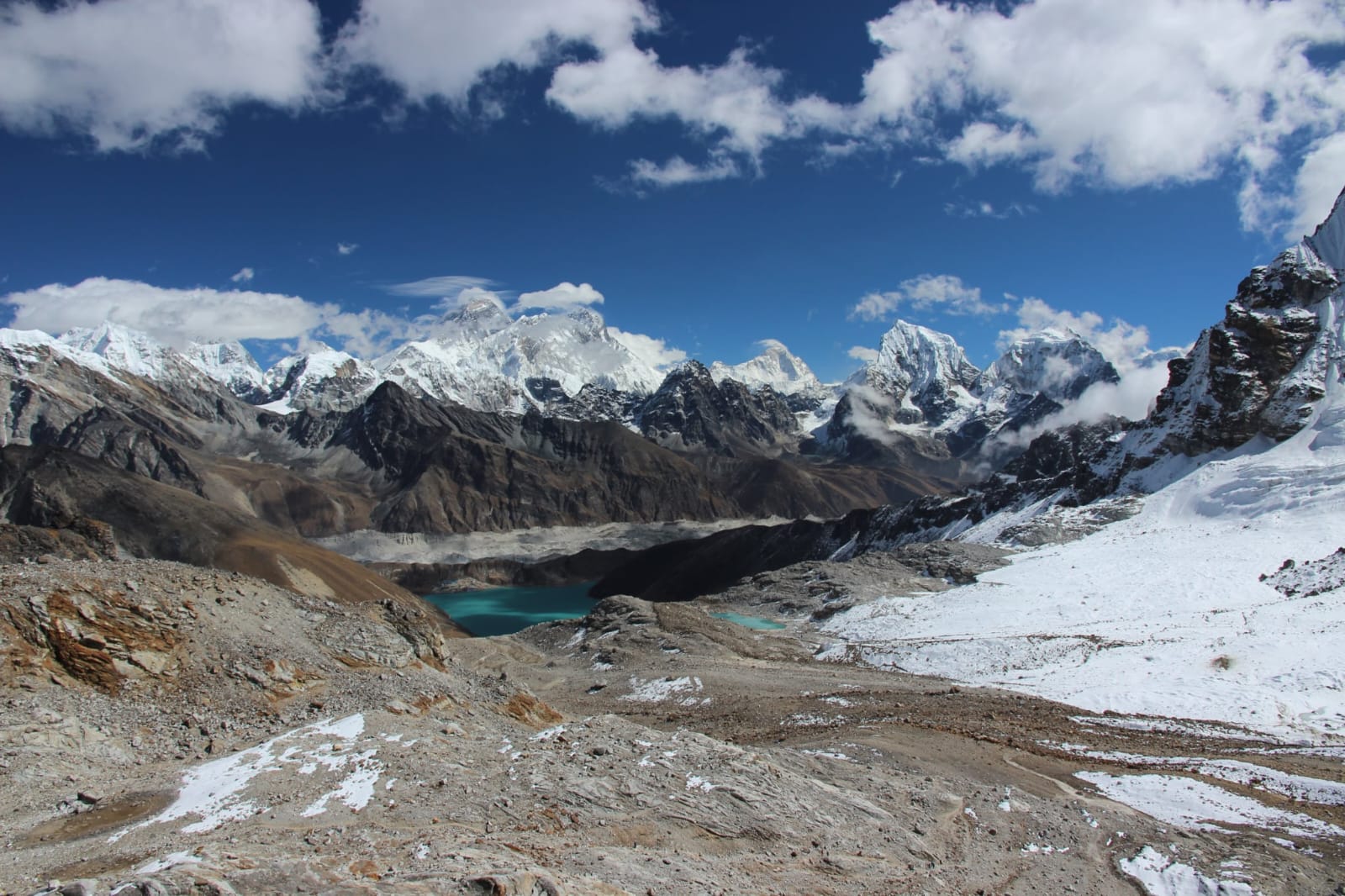
The main highlights of the Everest Base Camp Trek are reaching Everest Base Camp (5,364m) and hiking to Kala Patthar (5,545m), one of the best viewpoints in the Everest region. From Kala Patthar, you can witness a breathtaking sunrise over Mount Everest and the surrounding Himalayan giants. Along the way, you will also discover the unique lifestyle, traditions, and warm hospitality of the Sherpa people.
With proper acclimatization, physical preparation, and guidance from an experienced trekking team, the 14 Days Everest Base Camp Trek is a perfect adventure for those who dream of standing at the base of the world’s highest peak and creating lifelong memories in the Himalayas.
Everest Base Camp Trek Difficulty
The Everest Base Camp Trek is considered a moderate to challenging trek. The trek involves walking around 5–7 hours per day through rocky trails, steep uphill sections, and high-altitude landscapes. The main challenges are altitude, cold weather, and long trekking days. No technical climbing skills are required, but good physical fitness, proper training, and acclimatization are important for a successful trek.
Best Season for Everest Base Camp Trek
The best seasons for the Everest Base Camp Trek are spring (March to May) and autumn (September to November). During these months, the weather is stable, skies are clear, and trekkers can enjoy excellent mountain views.
- Spring (March–May): The trails become colorful with blooming rhododendron flowers, and the temperature is comfortable for trekking.
- Autumn (September–November): Autumn is considered the best season due to clear skies, excellent visibility, and pleasant weather conditions.
- Winter (December–February): Winter trekking is possible but can be challenging due to freezing temperatures and heavy snowfall at higher elevations.
- Monsoon (June–August): Monsoon is less recommended because of rain, cloudy weather, and possible flight delays to Lukla.
For the best experience, March–May and September–November is highly recommended for the Everest Base Camp Trek.
Trip Facts
Everest Base Camp Trek Highlights
Reach Everest Base Camp (5,364m) – Stand at the base of the world’s highest mountain, Mount Everest.
Hike to Kala Patthar (5,545m) – Enjoy breathtaking sunrise views of Mount Everest and surrounding Himalayan peaks.
Scenic Flight to Lukla – Experience one of the most exciting mountain flights with stunning views of the Himalayas.
Explore Namche Bazaar – Discover the famous Sherpa town and gateway to the Everest region.
Experience Sherpa Culture – Learn about the traditions, lifestyle, and hospitality of the local mountain communities.
Visit Tengboche Monastery – Explore one of the most important Buddhist monasteries in the Everest region.
Amazing Himalayan Views – Witness panoramic views of Everest, Lhotse, Nuptse, Ama Dablam, Thamserku, and other peaks.
Trek Through Sagarmatha National Park – Walk through a UNESCO World Heritage Site with diverse flora and wildlife.
Cross Suspension Bridges – Enjoy thrilling walks across traditional bridges over Himalayan rivers.
Explore Beautiful Mountain Villages – Pass through Phakding, Dingboche, Lobuche, and Gorak Shep with unique landscapes.
Experience High-Altitude Adventure – Challenge yourself while trekking through the stunning landscapes of the Khumbu region.
Create Lifetime Memories – Enjoy one of the world’s most famous trekking experiences in the Himalayas.
Important Note
Everest Base Camp Trek is a high-altitude adventure that requires good physical fitness, proper preparation, and a positive mindset. As the trek reaches Everest Base Camp (5,364m) and Kala Patthar (5,545m), proper acclimatization and a slow walking pace are important to reduce the risk of altitude sickness. Weather conditions in the Everest region can change quickly, so carrying suitable trekking gear, warm clothing, and personal essentials is necessary. Flights to and from Lukla may be delayed due to unpredictable weather conditions. Comprehensive travel insurance covering high-altitude trekking and emergency evacuation is highly recommended for a safe and enjoyable trekking experience.
Everest Base Camp Trek Detailed Itinerary
Welcome to Nepal! Upon your arrival at Tribhuvan International Airport, our team will welcome you and transfer you to your hotel. You will have time to rest and prepare for your Everest Base Camp Trek. In the evening, we will provide a trek briefing and check your trekking equipment.
Your Everest adventure begins with a scenic flight from Kathmandu to Lukla, one of the world’s most thrilling mountain flights. After meeting the trekking crew, we begin walking through beautiful Sherpa villages, green forests, and along the Dudh Koshi River. The short trek to Phakding helps your body adjust to the Himalayan environment.
Today’s trail follows the Dudh Koshi River and crosses several suspension bridges decorated with prayer flags. After entering Sagarmatha National Park, the trail climbs through pine forests toward Namche Bazaar. On a clear day, you may get your first glimpse of Mount Everest and other Himalayan peaks.
Today is a rest and acclimatization day to help your body adjust to the increasing altitude. You can explore Namche Bazaar, visit local markets, or hike to nearby viewpoints such as Everest View Hotel for stunning views of Everest, Ama Dablam, and other peaks.
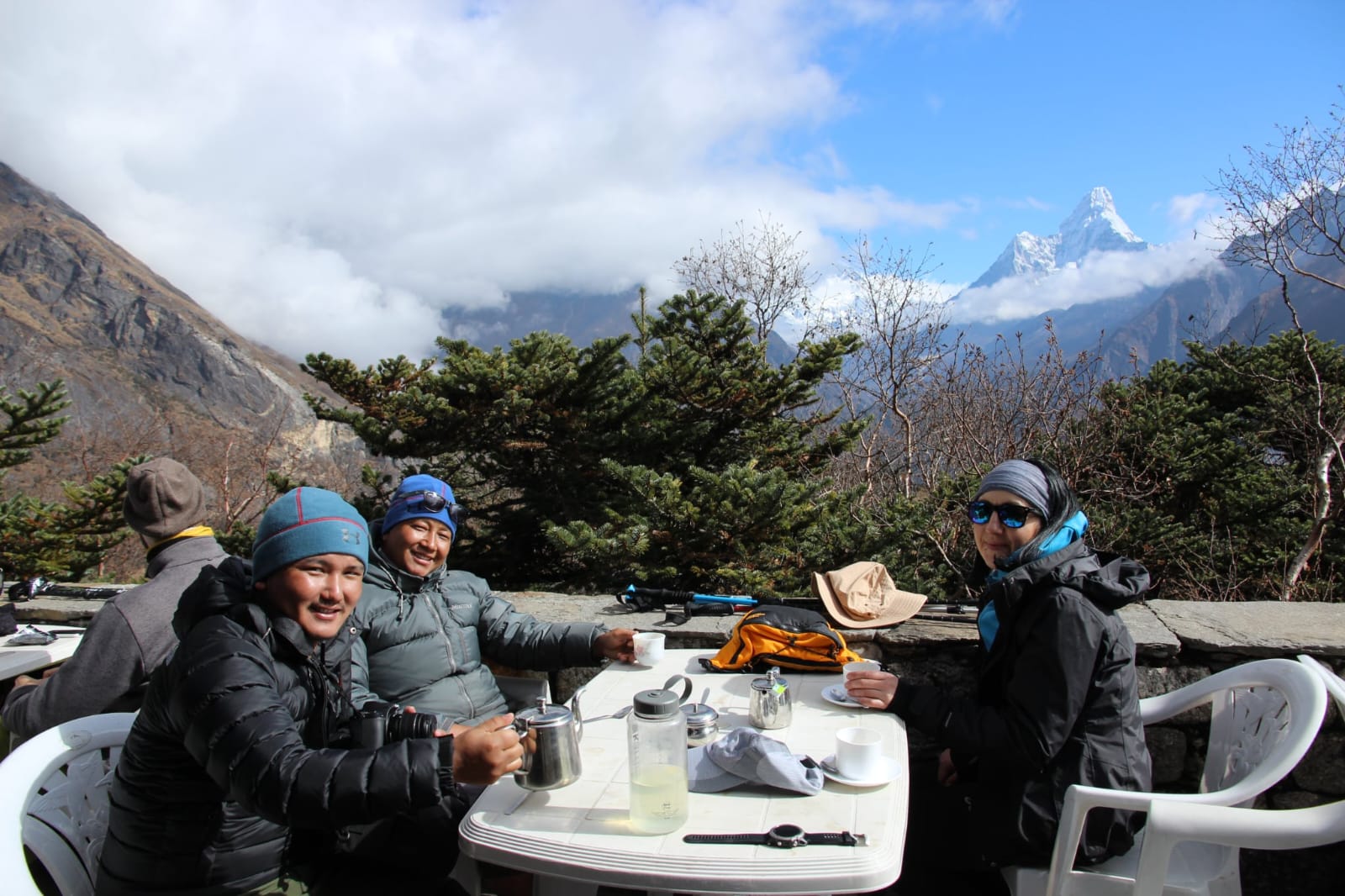
The trail offers spectacular views of Everest, Lhotse, Nuptse, and Ama Dablam. You will walk through beautiful forests and reach Tengboche, home to the famous Tengboche Monastery. Enjoy the peaceful atmosphere and amazing mountain scenery.
Today, the trail descends through forests and crosses the Imja Khola before gradually climbing toward Dingboche. Along the way, you will pass traditional Sherpa villages and enjoy incredible views of Ama Dablam, Island Peak, and surrounding mountains.
Another acclimatization day is important before moving to higher elevations. You can take a short hike to Nagarjun Hill or Chhukung Valley for panoramic views of Makalu, Lhotse, and other Himalayan peaks.
The trail gradually climbs through the high Himalayan landscape. You will pass through Thukla and see memorials dedicated to climbers who lost their lives on Everest expeditions. The route offers beautiful views of Khumbu Glacier and surrounding peaks.
This is one of the most exciting days of the trek. The trail leads through rocky terrain to Gorak Shep, where you take a short break before continuing to Everest Base Camp. Standing at the foot of Mount Everest is an unforgettable experience surrounded by massive Himalayan peaks and glaciers.
Early morning, you hike to Kala Patthar for the best sunrise view of Mount Everest. This viewpoint offers breathtaking panoramic views of Everest, Lhotse, Nuptse, and other Himalayan peaks. After enjoying the views, descend back through Gorak Shep and continue toward Pheriche.
The trail gradually descends through beautiful Sherpa villages and forests. Enjoy the changing landscapes and mountain views as you return to Namche Bazaar.
Your final trekking day follows the Dudh Koshi River back to Lukla. Enjoy the last views of the mountains and celebrate the completion of your Everest Base Camp adventure with your trekking team.
Take a scenic morning flight from Lukla back to Kathmandu. After arriving, you can relax, explore the city, or enjoy shopping for souvenirs. In the evening, join a farewell dinner with the team.
Our team will transfer you to the airport for your final departure. We hope you return home with unforgettable memories of the Everest Base Camp Trek.
Not satisfied with this Itinerary?
Are you interested on planning custom trip? It only takes 2 minutes.Cost Details
Cost Includes
Airport pickup and drop-off services in Kathmandu.
All ground transportation as mentioned in the itinerary.
Scenic domestic flights from Kathmandu to Lukla and Lukla to Kathmandu.
Accommodation in Kathmandu in a comfortable hotel.
Tea house accommodation during the trekking period.
All meals during the trek (Breakfast, Lunch, and Dinner).
Welcome and farewell dinner in Kathmandu.
Experienced, licensed, and English-speaking trekking guide.
Necessary number of porters (1 porter for every 2 trekkers).
Guide and porter salary, food, accommodation, and insurance.
Everest region trekking permits and Sagarmatha National Park entry permit.
TIMS (Trekkers’ Information Management System) card.
Trekking map and necessary documents.
First aid kit carried by the guide.
Duffel bag for the trek (if required).
All government taxes and official service charges.
Cost Excludes
International airfare and Nepal entry visa fees.
Travel insurance covering medical expenses and emergency evacuation.
Personal expenses such as laundry, phone calls, and internet.
Bottled water, soft drinks, alcoholic beverages, and extra snacks.
Hot showers, Wi-Fi, and battery charging fees during the trek.
Personal trekking equipment and clothing.
Extra accommodation and meals due to flight delays, weather conditions, or natural events.
Emergency rescue and evacuation costs.
Tips for trekking guide, porter, and driver.
Any services not mentioned in the “Cost Includes” section.
Equipment
Here is a list of what you might want to pack for the hike. Please take this as a starting point. You’ll need layers of warmer clothing during the winter. We provide a 75 liter duffel bag for you to use for the trek. It will be given to you during your pre-trip meeting in Kathmandu. The duffle bag is yours to keep. Also, you can rent sleeping bag and down jacket with us at the additional fee of USD 35 for each once you are in Kathmandu.
All the ground transportation as per itinerary.
Welcome or fare well dinner in kathmandu.
Standard Hotel in Kathmandu and Pokhara with breakfast.
First aid medical kit, Ox meter to check pulse, heart rate and oxygen saturation at higher altitude.
All the ground transportation as per itinerary.
Welcome or fare well dinner in kathmandu.
Standard Hotel in Kathmandu and Pokhara with breakfast.
Everest Base Camp Trek FAQ'S
Everest Base Camp Trek is considered a moderate to challenging trek. It requires good physical fitness and preparation as the trail includes long walking days, steep climbs, and high-altitude sections.
The standard Everest Base Camp Trek usually takes around 12–16 days, depending on the itinerary, acclimatization days, and trekking pace. A 14-day itinerary is one of the most popular options.
The highest point of the trek is Kala Patthar at 5,545m, while Everest Base Camp is located at 5,364m above sea level.
The best seasons for Everest Base Camp Trek are spring (March to May) and autumn (September to November). These months offer clear skies, stable weather, and excellent mountain views.
Previous trekking experience is helpful but not required. Beginners with good fitness, proper preparation, and determination can complete the trek successfully.
Yes, altitude sickness can occur as the trek reaches above 5,000m. Proper acclimatization, slow walking, staying hydrated, and following your guide’s advice are important to reduce the risk.
Most tea houses provide Wi-Fi and charging facilities, but they may require an extra payment, especially at higher elevations.
Flights to and from Lukla depend on weather conditions. In case of delays, extra buffer days or alternative arrangements may be required.
Video
Reviews
Enter a recent customer’s contact info and we’ll ask them to leave you a review.
What they say!
Everest Base Camp Trek – 14 Days
"Here is a list of what you might want to pack for the hike. Please take this as a starting point. You’ll need layers of warmer clothing during the w[...]"

Julianne Davis
USA


-
Head Office

-
Tamang Eco Treks
Tarkeshwor, Kathmandu - Call/Whatsapp: 9841903545
- Email: info@tamangecotreks.com
-
Tamang Eco Treks
-
Jarman

-
Spain

- Pedro Gilthoniel
- Email: Email-pedrogilthoniel@yaoo.es
-
France

We’re associated with


