

Overview
The Gokyo Lake Trek is one of the most beautiful trekking adventures in Nepal, offering a quieter alternative to the classic Everest Base Camp route. This spectacular journey takes you through the heart of the Everest (Khumbu) region, where you will explore pristine turquoise glacial lakes, traditional Sherpa villages, ancient monasteries, and breathtaking Himalayan landscapes. The trek is perfect for travelers seeking stunning mountain scenery with fewer crowds.
The journey begins with a scenic flight from Kathmandu to Lukla and follows the Dudh Koshi Valley through picturesque villages such as Phakding, Namche Bazaar, Dole, Machhermo, and Gokyo. Along the way, you will experience the warm hospitality of the Sherpa people while enjoying magnificent views of Mount Everest, Lhotse, Makalu, Cho Oyu, Ama Dablam, and many other snow-capped peaks.
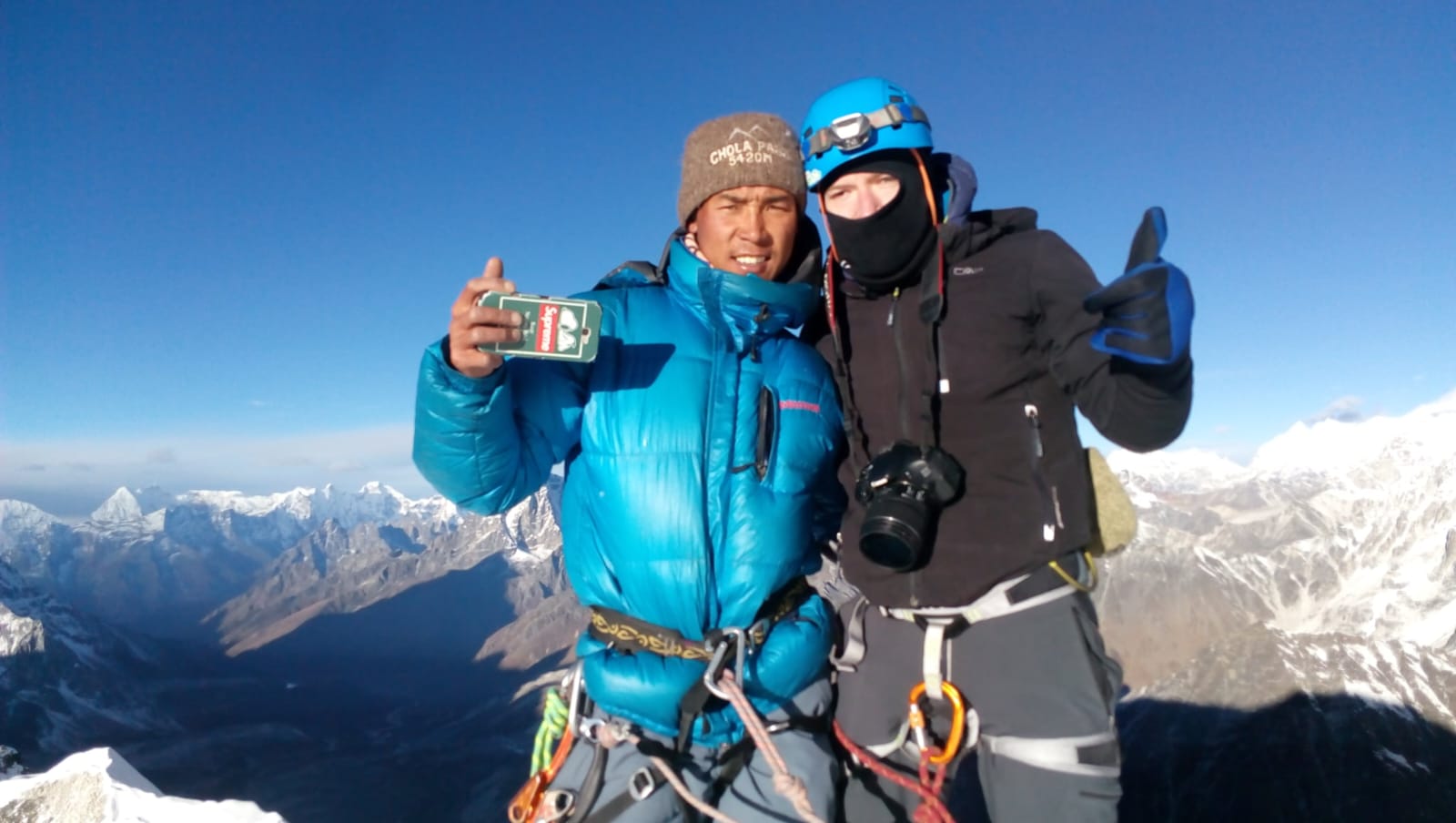
The highlight of the trek is reaching the beautiful Gokyo Lakes, a series of sacred high-altitude glacial lakes, and climbing Gokyo Ri (5,357m). From the summit of Gokyo Ri, you can enjoy one of the finest panoramic views in the Himalayas, including four of the world’s highest mountains—Everest, Lhotse, Makalu, and Cho Oyu. With its peaceful trails, incredible scenery, and rich cultural experiences, the Gokyo Lake Trek is a perfect adventure for nature lovers and trekking enthusiasts.
Best Season for Gokyo Lake Trek
The best time to trek to Gokyo Lakes is during spring (March to May) and autumn (September to November).
- Spring: Blooming rhododendrons, mild temperatures, and crystal-clear mountain views.
- Autumn: Stable weather, clear skies, and excellent visibility make it the most popular trekking season.
- Winter: Cold temperatures and snowfall, but peaceful trails and beautiful snow-covered landscapes.
- Monsoon: Heavy rainfall and cloudy weather make trekking less favorable.
Gokyo Lake Trek Difficulty
The Gokyo Lake Trek is considered a moderate to challenging trek. Trekkers walk around 5–7 hours each day through forests, rocky trails, moraines, and high-altitude landscapes. The highest point is Gokyo Ri (5,357m), making proper acclimatization essential. No technical climbing skills are required, but good physical fitness and preparation are important.
Why Book the Gokyo Lake Trek with Tamang Eco Treks & Expedition?
- Experienced and licensed local trekking guides.
- Carefully planned itinerary with proper acclimatization.
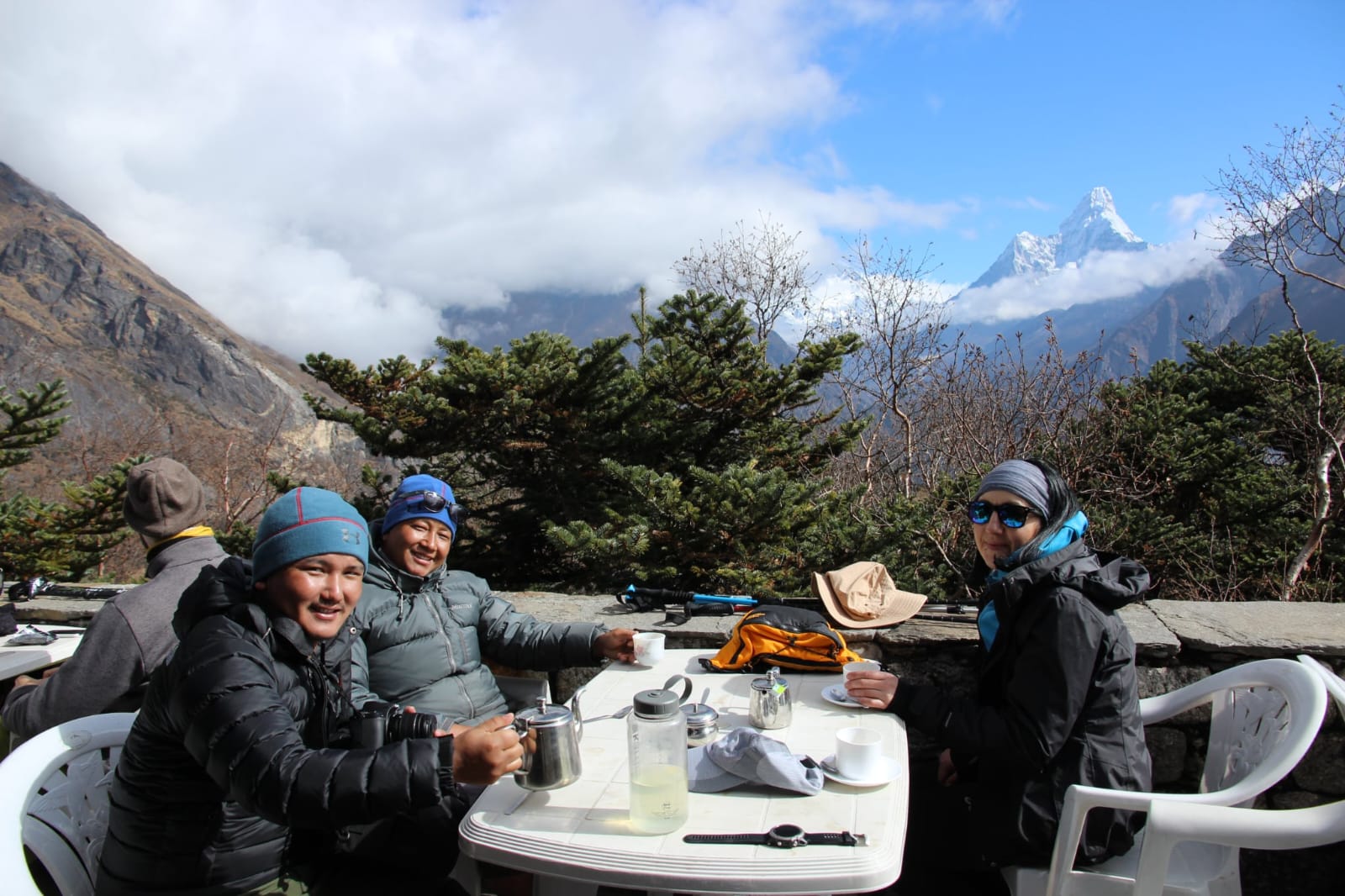
- Comfortable tea house accommodation throughout the trek.
- Professional porter support for a hassle-free journey.
- Personalized service and flexible trekking options.
- 24/7 assistance before and during your trek.
- Responsible and eco-friendly trekking practices.
- Transparent pricing with no hidden costs.
Trip Facts
Gokyo Lake Trek Highlights
Explore the stunning Gokyo Lakes, a series of crystal-clear turquoise glacial lakes in the Everest region.
Climb Gokyo Ri (5,357m) for one of the best panoramic views of the Himalayas.
Enjoy breathtaking views of Mount Everest, Lhotse, Makalu, Cho Oyu, and Ama Dablam.
Experience a scenic flight between Kathmandu and Lukla, the gateway to the Everest region.
Trek through Sagarmatha National Park, a UNESCO World Heritage Site rich in wildlife and natural beauty.
Visit Namche Bazaar, the vibrant Sherpa town and gateway to Everest.
Experience the unique Sherpa culture, traditions, and warm mountain hospitality.
Walk through peaceful trails with fewer crowds than the classic Everest Base Camp route.
Cross suspension bridges, alpine forests, rivers, and glacial landscapes along the trekking trail.
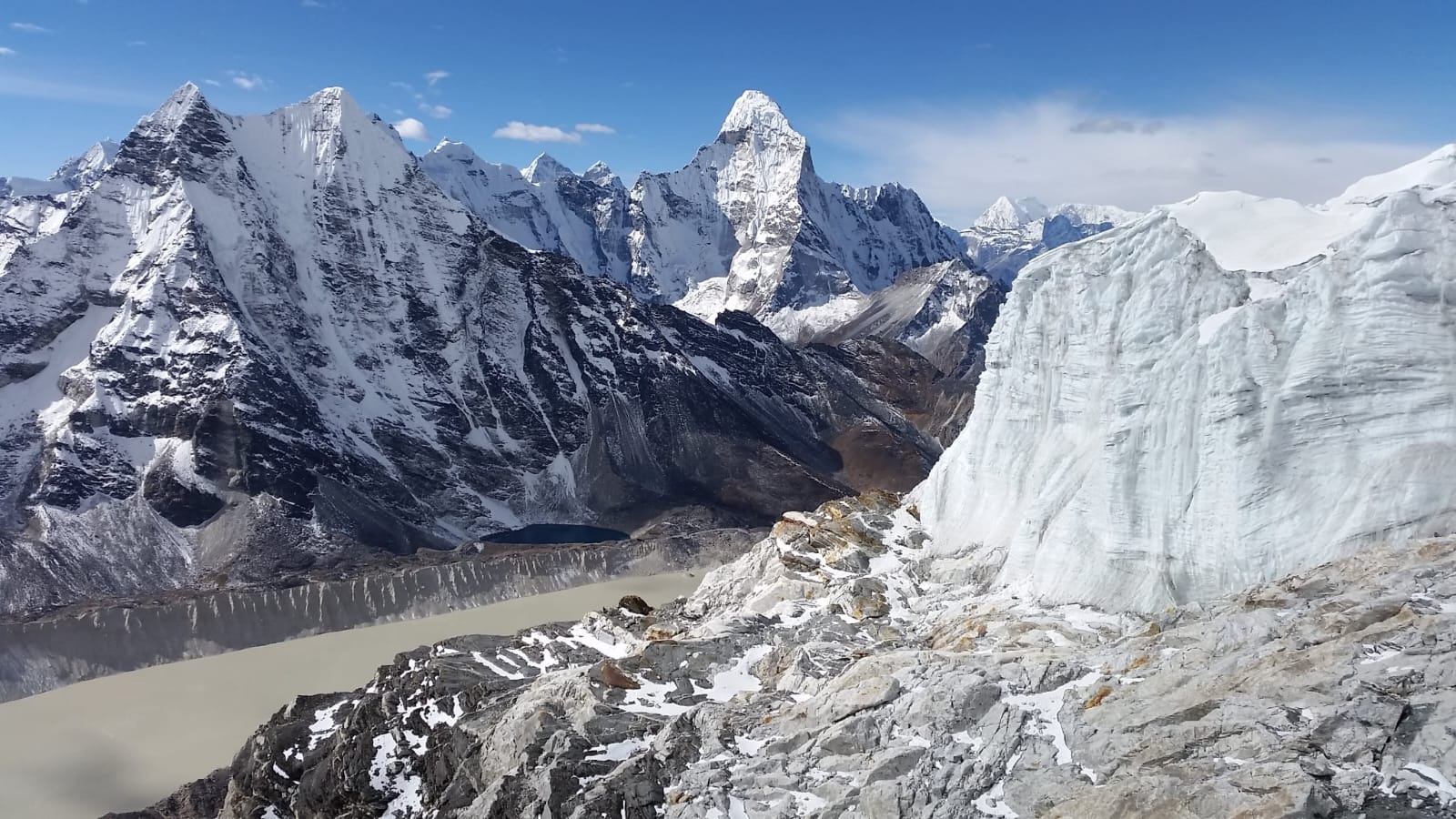
Witness the spectacular Ngozumpa Glacier, the longest glacier in Nepal.
Visit traditional Himalayan villages such as Phakding, Dole, Machhermo, and Gokyo.
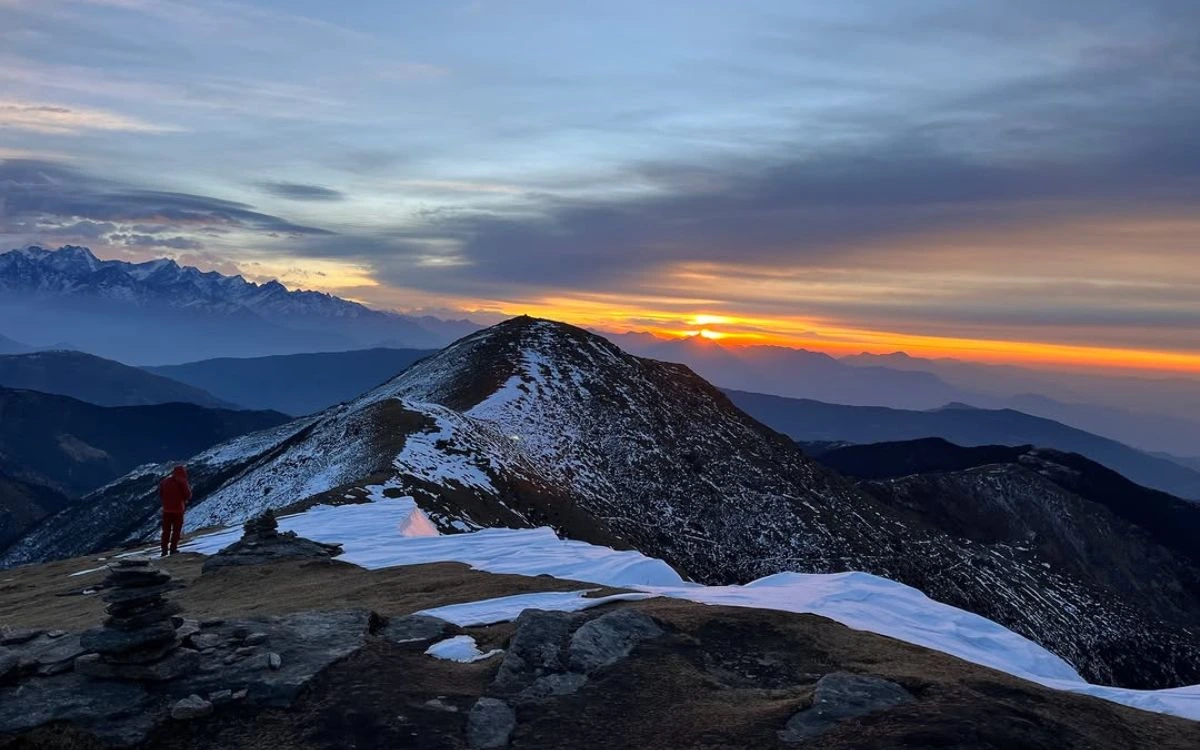
Enjoy unforgettable sunrise and sunset views over the snow-capped Himalayan peaks.
Important Note
The Gokyo Lake Trek is a high-altitude adventure that requires good physical fitness and proper acclimatization. Since the trek reaches 5,357m at Gokyo Ri, altitude sickness can be a concern if you ascend too quickly. Weather conditions in the Everest region can change rapidly, and flights to and from Lukla may be delayed due to weather. Warm clothing, quality trekking gear, and comprehensive travel insurance with emergency helicopter evacuation coverage are highly recommended.
Gokyo Lake Trek Detailed Itinerary
Welcome to Nepal! Upon arrival at Tribhuvan International Airport, our representative will greet you and transfer you to your hotel. After check-in, you can relax or explore the vibrant streets of Kathmandu. In the evening, you will receive a detailed trek briefing and have your equipment checked.
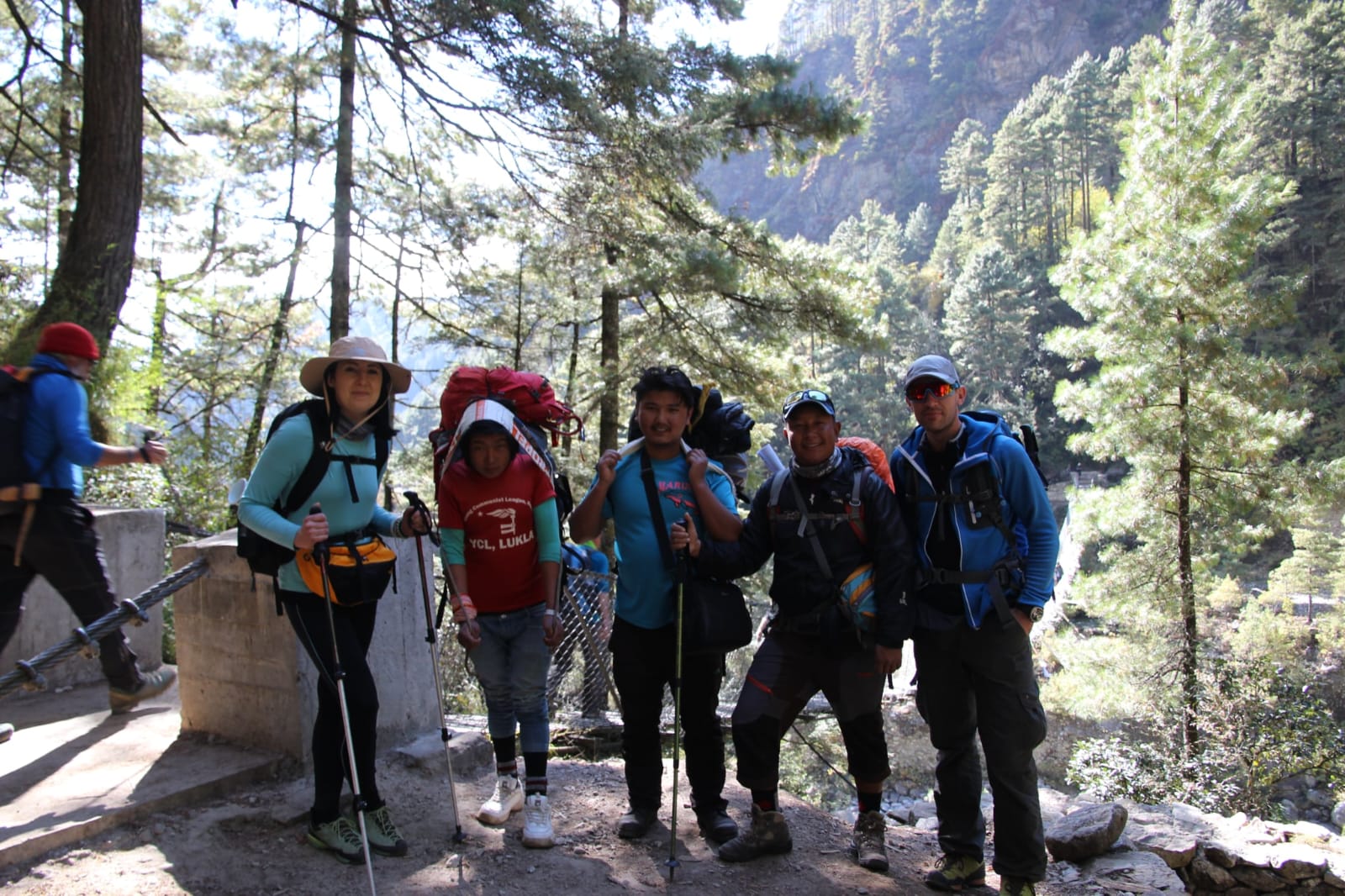
Take an early morning scenic flight to Lukla, the gateway to the Everest region. After meeting your trekking crew, begin your trek through beautiful Sherpa villages, pine forests, and alongside the Dudh Koshi River before reaching Phakding.
Today’s trail follows the Dudh Koshi River, crossing several suspension bridges before entering Sagarmatha National Park. After a steady uphill climb, arrive at Namche Bazaar, the bustling Sherpa town known as the gateway to Mount Everest.
Spend the day acclimatizing to the altitude. Take a short hike to the Everest View Hotel or nearby viewpoints for stunning views of Everest, Lhotse, Ama Dablam, and other surrounding peaks. Explore the local market and Sherpa Museum before returning to Namche.
Leave the main Everest Base Camp trail and head toward the peaceful Gokyo Valley. Walk through rhododendron forests, alpine meadows, and small settlements while enjoying beautiful mountain views before reaching Dole.
Today’s trail gradually climbs through yak pastures and open valleys. Along the way, enjoy magnificent views of Cho Oyu and other snow-covered peaks before arriving at the quiet village of Machhermo.
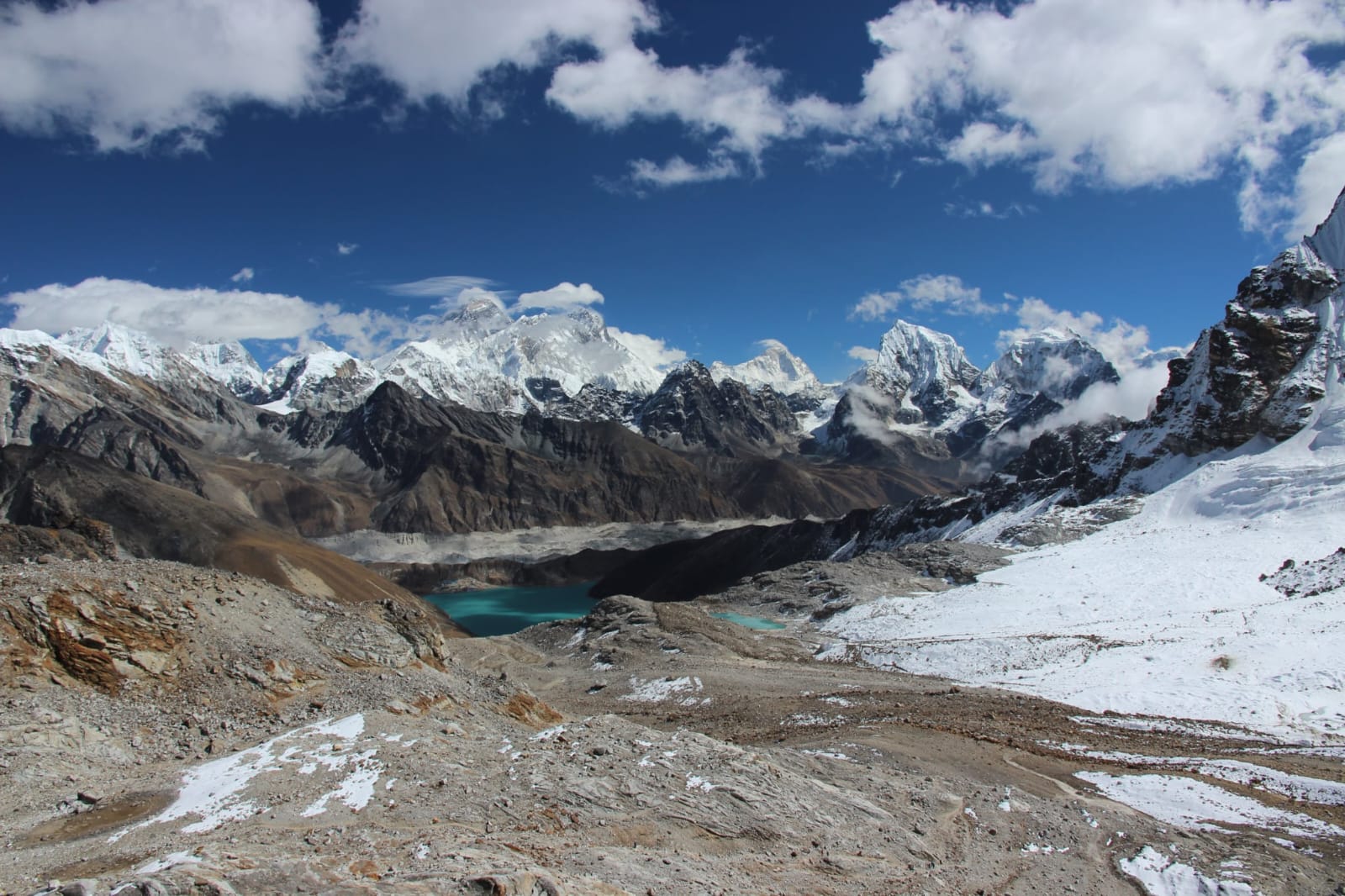
Continue through the beautiful Gokyo Valley, passing the first and second Gokyo Lakes before reaching the stunning third lake beside Gokyo village. The turquoise lakes surrounded by snow-capped mountains create one of the most spectacular landscapes in Nepal.
Wake up early for a hike to Gokyo Ri, one of the finest viewpoints in the Everest region. From the summit, enjoy breathtaking panoramic views of Mount Everest, Lhotse, Makalu, Cho Oyu, and the Ngozumpa Glacier. After the hike, return to Gokyo and spend the rest of the day exploring the beautiful lakes.
Retrace your steps through the peaceful valley while enjoying different perspectives of the mountains and glacial landscapes. Descend gradually to Dole for an overnight stay.
Continue descending through forests and traditional Sherpa villages before arriving back at Namche Bazaar. Enjoy your final evening in the heart of the Khumbu region.
Follow the Dudh Koshi River through beautiful villages and suspension bridges as you make your way back to Lukla. Celebrate the successful completion of your Gokyo Lake Trek with your trekking crew.
Take an early morning flight back to Kathmandu. After arriving, transfer to your hotel and enjoy your free time for sightseeing or shopping. In the evening, join a farewell dinner to celebrate your Himalayan adventure.
Not satisfied with this Itinerary?
Are you interested on planning custom trip? It only takes 2 minutes.Cost Details
Includes
Airport pickup and drop-off services in Kathmandu.
Domestic flights from Kathmandu to Lukla and Lukla to Kathmandu.
All ground transportation as mentioned in the itinerary.
Hotel accommodation in Kathmandu.
Tea house accommodation during the trek.
All meals during the trek (Breakfast, Lunch, and Dinner).
Welcome and farewell dinner in Kathmandu.
Experienced, licensed, and English-speaking trekking guide.
Porter service (1 porter for every 2 trekkers).
Guide and porter salary, meals, accommodation, and insurance.
Sagarmatha National Park Entry Permit.
Khumbu Pasang Lhamu Rural Municipality Permit.
Trekking map and all necessary trekking documents.
First aid kit carried by the guide.
Duffel bag for use during the trek (if required).
All government taxes and official service charges.
Excludes
International airfare to and from Nepal.
Nepal entry visa fee.
Travel insurance covering high-altitude trekking and emergency evacuation.
Personal trekking equipment and clothing.
Personal expenses such as laundry, phone calls, and internet.
Bottled water, soft drinks, alcoholic beverages, and extra snacks.
Hot showers, Wi-Fi, and battery charging fees at tea houses.
Extra accommodation and meals due to flight delays, weather conditions, or personal reasons.
Emergency rescue and evacuation costs.
Tips for the trekking guide, porter, and driver.
Any services not mentioned in the Cost Includes section.
Equipment
Here is a list of what you might want to pack for the hike. Please take this as a starting point. You’ll need layers of warmer clothing during the winter. We provide a 75 liter duffel bag for you to use for the trek. It will be given to you during your pre-trip meeting in Kathmandu. The duffle bag is yours to keep. Also, you can rent sleeping bag and down jacket with us at the additional fee of USD 35 for each once you are in Kathmandu.
All the ground transportation as per itinerary.
Welcome or fare well dinner in kathmandu.
Standard Hotel in Kathmandu and Pokhara with breakfast.
First aid medical kit, Ox meter to check pulse, heart rate and oxygen saturation at higher altitude.
All the ground transportation as per itinerary.
Welcome or fare well dinner in kathmandu.
Standard Hotel in Kathmandu and Pokhara with breakfast.
Gokyo Lake Trek FAQ
The Gokyo Lake Trek is considered a moderate to challenging trek. It involves walking 5–7 hours per day through high-altitude trails, rocky paths, and alpine landscapes. Good physical fitness and proper acclimatization are important.
The standard Gokyo Lake Trek usually takes 10–12 days, depending on the itinerary, acclimatization schedule, and trekking pace.
The highest point of the trek is Gokyo Ri (5,357m), which offers spectacular panoramic views of the Everest region.
The best seasons are spring (March to May) and autumn (September to November), when the weather is stable, the skies are clear, and the mountain views are at their best.
Previous trekking experience is helpful but not required. Beginners with good physical fitness and proper preparation can successfully complete the trek.
Yes. Since the trek reaches over 5,000m, altitude sickness is possible. Proper acclimatization, staying hydrated, and following your guide’s advice help reduce the risk.
Accommodation is provided in tea houses and mountain lodges along the route. The facilities are comfortable at lower elevations and become more basic at higher altitudes.
Reviews
Enter a recent customer’s contact info and we’ll ask them to leave you a review.
What they say!


-
Head Office

-
Tamang Eco Treks
Tarkeshwor, Kathmandu - Call/Whatsapp: 9841903545
- Email: info@tamangecotreks.com
-
Tamang Eco Treks
-
Jarman
-
Spain
- Pedro Gilthoniel
- Email: Email-pedrogilthoniel@yaoo.es
-
France

We’re associated with


