


Trip Facts
Trip Highlights
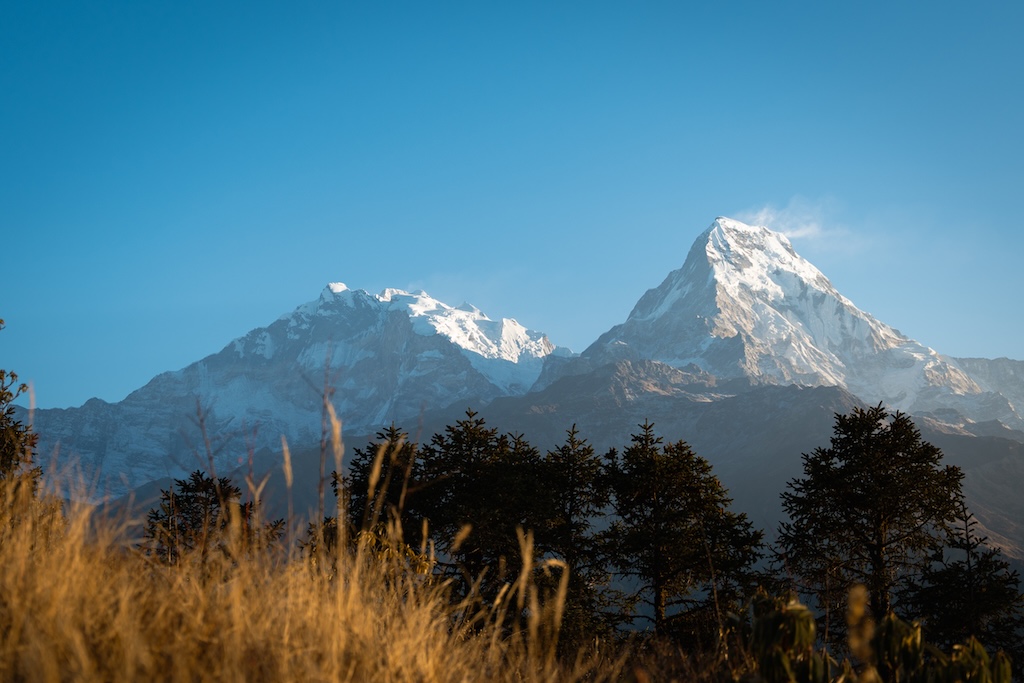
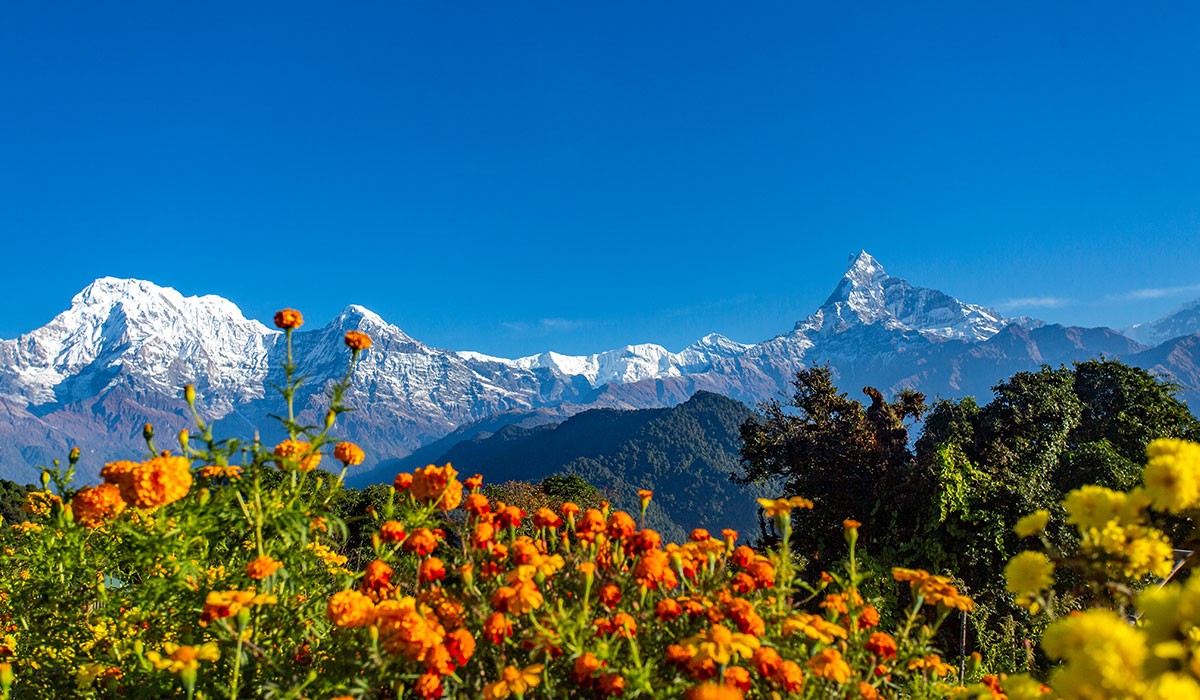
Enjoy spectacular views of Machhapuchhre (Fishtail), Annapurna South, Hiunchuli, and Mardi Himal.
Trek through beautiful rhododendron forests and peaceful mountain trails.
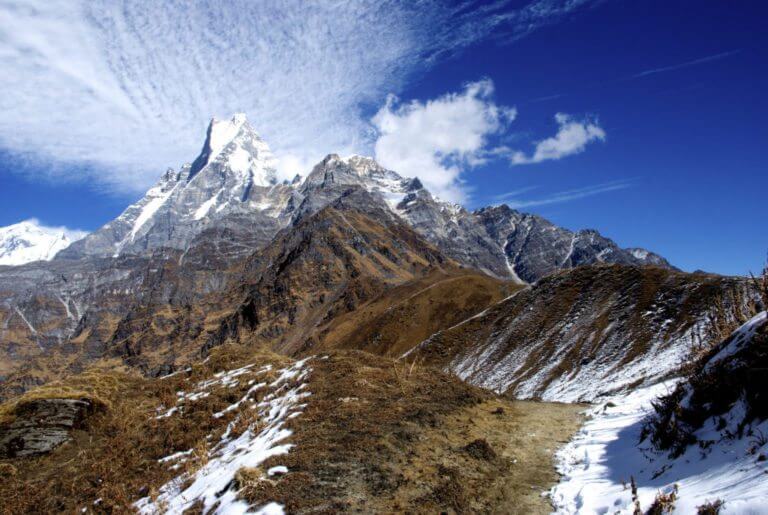
Experience the changing landscapes from green hills to rugged alpine terrain.
Visit High Camp and explore the Mardi Himal Base Camp area.
Enjoy sunrise and panoramic mountain views from Mardi Himal Viewpoint, when weather permits.
Experience the hospitality and traditional lifestyle of local mountain communities.
Discover a quieter trekking route in the Annapurna region.
Stay in welcoming mountain teahouses along the trail.
Enjoy a short but rewarding Himalayan adventure from Pokhara.
Capture beautiful photographs of the Annapurna mountain range.
Overview
The Mardi Himal Trek is one of Nepal’s most beautiful short trekking adventures, offering spectacular views of the Annapurna Himalayan range, peaceful forest trails, traditional villages, and breathtaking mountain landscapes. Located in the Annapurna region, this trek is an excellent choice for travelers who want to experience the beauty of the Himalayas without committing to a long trekking expedition.
The trail passes through lush rhododendron forests, charming hillside settlements, alpine landscapes, and scenic ridgelines. As you gain altitude, the views open up toward some of Nepal’s most impressive peaks, including Machhapuchhre (Fishtail), Annapurna South, Hiunchuli, and Mardi Himal.
One of the major highlights is reaching Mardi Himal Base Camp, at approximately 4,500 meters, where you can enjoy close-up views of the surrounding snow-covered mountains. The journey offers a wonderful combination of natural beauty, mountain adventure, and peaceful walking trails away from some of the busier trekking routes.
The Mardi Himal Trek is suitable for trekkers with a reasonable level of fitness who want a rewarding Himalayan experience in a limited amount of time. With comfortable teahouse accommodation, local hospitality, and stunning mountain scenery, this trek is a memorable way to discover the Annapurna region.
Tamang Eco Treks organizes the Mardi Himal Trek with experienced trekking guides, necessary permits, and a carefully planned itinerary to help you enjoy a safe and enjoyable journey.
Best Time for Mardi Himal Trek
Spring (March–May)
Spring is one of the best seasons for the Mardi Himal Trek. The weather is generally favorable, the forests become colorful with blooming rhododendrons, and the mountain scenery can be spectacular on clear days. Temperatures are usually comfortable at lower elevations, although nights remain cold at High Camp.
Autumn (September–November)
Autumn is another excellent season for trekking in the Annapurna region. After the monsoon, the skies often become clearer, offering excellent mountain views. The trails are popular during this period, so advance accommodation arrangements are recommended during busy weeks.
Winter (December–February)
Winter trekking is possible for well-prepared trekkers, but temperatures can be very cold at higher elevations. Snowfall, icy trails, and changing weather may affect access to High Camp and Mardi Himal Base Camp. Suitable clothing, flexible plans, and local guidance are essential.
Monsoon (June–August)
The monsoon brings heavy rainfall, mist, muddy trails, and an increased risk of landslides or leeches at lower elevations. Mountain views may be limited by clouds. Trekking can still be arranged, but conditions should be checked carefully before departure.
Mardi Himal Trek Difficulty
The Mardi Himal Trek is generally considered a moderate trek. It does not require technical climbing skills under normal trekking conditions, but it involves several hours of walking each day, steep uphill and downhill sections, uneven trails, and exposure to high altitude.
The hike from High Camp toward Mardi Himal Base Camp is the most demanding part of the trip because of the elevation and the steep, sometimes exposed trail. A reasonable level of cardiovascular fitness, preparation through walking or hiking, and appropriate trekking equipment are recommended.
Trekkers should follow their guide’s advice, maintain a comfortable pace, and avoid pushing onward if they feel unwell. Altitude sickness can affect anyone, regardless of age or fitness.
Accommodation and Meals
During the trek, accommodation is generally provided in local teahouses or mountain lodges. Rooms are usually simple and may include twin beds, blankets, and shared bathroom facilities. Facilities become more basic at higher elevations, and availability can vary by season.
Meals typically include traditional Nepali dal bhat, noodles, rice dishes, soups, potatoes, eggs, porridge, pancakes, and other common teahouse foods. Vegetarian options are widely available, although menu choices may become more limited at higher camps.
Hot showers, Wi-Fi, and device charging may be available for an additional fee. Bring some cash for personal purchases and services along the route.
Permits for Mardi Himal Trek
Trekkers must comply with the current entry, conservation-area, and trekking registration requirements applicable to the Mardi Himal route. Requirements can change, so Tamang Eco Treks will confirm the permits needed for your travel dates and nationality before departure.
Carry your passport or an accepted identification document as advised by your trekking organizer, and keep your permits accessible during the trek.
Packing List for Mardi Himal Trek
Recommended items include:
- Comfortable, broken-in trekking boots.
- Warm layers, including thermal clothing, fleece, and an insulated jacket.
- Waterproof jacket and trousers.
- Trekking trousers and quick-drying shirts.
- Warm hat, gloves, and sun hat.
- Wool or synthetic trekking socks.
- Sunglasses and sunscreen.
- Daypack with rain cover.
- Water bottles or a hydration system.
- Water purification tablets or a suitable filter.
- Headlamp with spare batteries.
- Personal toiletries and a small towel.
- Personal medications and a basic first-aid kit.
- Trekking poles, especially for steep descents.
- Power bank and charging cables.
- Passport, permits, travel insurance details, and some cash.
Your guide can provide additional advice depending on the season and forecast.
Safety and Responsible Trekking
- Follow your guide’s instructions, especially on steep and exposed sections.
- Walk slowly at higher elevations and allow enough time for rest.
- Tell your guide immediately if you experience a headache, nausea, dizziness, unusual fatigue, or breathing difficulties.
- Descend promptly and seek medical assistance if serious altitude-sickness symptoms develop.
- Check the weather forecast before heading toward High Camp and Base Camp.
- Carry sufficient water and drink regularly.
- Avoid trekking alone on unfamiliar or exposed sections of the trail.
- Respect local customs, monasteries, prayer flags, and cultural sites.
- Carry out your rubbish and use refillable water bottles where practical.
- Support local communities by using local teahouses and respecting the environment.
Why Choose Tamang Eco Treks?
Tamang Eco Treks, we believe every Himalayan journey should be safe, memorable, and meaningful. Our goal is to provide personalized trekking experiences that connect travelers with Nepal’s spectacular mountains, rich culture, and natural beauty.
1. Experienced Local Guides
Explore Nepal with knowledgeable local guides who understand the trekking routes, mountain conditions, local culture, and traditions.
2. Personalized Trekking Packages
We tailor itineraries to suit your interests, available time, fitness level, and budget, helping you enjoy an adventure that matches your travel goals.
3. Safety Comes First
Your safety is our priority. We emphasize proper preparation, responsible altitude management, weather awareness, and guidance throughout your journey.
4. Authentic Local Experiences
Discover traditional villages, local lifestyles, Himalayan hospitality, and cultural experiences that make your trip more than just a trek.
5. Responsible and Eco-Friendly Tourism
We encourage responsible trekking practices, respect for local communities, reduced waste, and care for Nepal’s beautiful natural environment.
6. Transparent Pricing
We provide clear package details, including the services covered and additional expenses, so you can plan your adventure with confidence.
7. Flexible and Reliable Service
From transportation and permits to accommodation and trekking arrangements, we help coordinate the essential details of your trip.
8. Support from Start to Finish
Our team assists you with trip planning, preparation, and trekking arrangements, helping make your Himalayan adventure as smooth and enjoyable as possible.
Trek Nepal with Confidence
Whether you dream of exploring Mardi Himal, discovering the Annapurna region, or experiencing another Himalayan adventure, Tamang Eco Treks is here to help you create unforgettable memories in Nepal.
Itinerary
Your Mardi Himal Trek begins with an early-morning departure from Kathmandu. Enjoy a scenic drive along the Prithvi Highway, following rivers, green hills, terraced fields, and traditional villages.
Stop along the way for breakfast and lunch. After arriving in Pokhara, check into your hotel and relax after the journey.
If time permits, explore the Lakeside area and enjoy the beautiful atmosphere around Phewa Lake. Your trekking guide will brief you about the upcoming trek and help you prepare your equipment.
Overnight stay in Pokhara.
After breakfast, drive from Pokhara to Kande, where your trekking adventure begins. Follow the trail through hillside settlements, forested paths, and beautiful countryside toward the Mardi Himal trekking route.
The trail passes through peaceful forests of oak and rhododendron. During spring, colorful rhododendron flowers make the journey especially beautiful.
Continue gradually uphill toward Forest Camp, also known as Kokar. Take regular breaks, enjoy the fresh mountain air, and appreciate the peaceful surroundings.
After reaching Forest Camp, settle into your teahouse and enjoy a warm dinner.
Overnight stay at Forest Camp.
After breakfast, continue trekking uphill through Low Camp and the scenic ridgelines toward High Camp. As you gain elevation, the dense forest gradually opens into alpine landscapes with increasingly impressive views of the Annapurna range.
Depending on weather conditions, you may enjoy views of Machhapuchhre (Fishtail), Annapurna South, Hiunchuli, and the surrounding Himalayan peaks.
The trail becomes steeper in places, so maintain a steady pace and take sufficient rest. Upon reaching High Camp, enjoy the spectacular mountain scenery and prepare for an early start the next morning.
Your guide will explain the route and assess the weather and trail conditions before the hike toward Mardi Himal Base Camp.
Overnight stay at High Camp.
Start early in the morning and hike toward Mardi Himal Viewpoint and, if conditions and your fitness allow, Mardi Himal Base Camp at approximately 4,500 meters.
The upper trail offers dramatic views of Machhapuchhre, Mardi Himal, Annapurna South, and the surrounding snow-covered peaks. The route can be steep and exposed in places, so follow your guide’s instructions and turn back if the weather or trail conditions become unsafe.
After enjoying the mountain scenery, descend toward High Camp and continue downhill toward Low Camp and Siding, provided the day’s timing and your condition allow. This is a long and demanding day; an adjusted overnight stop may be necessary depending on your pace and conditions.
At Siding, meet your vehicle and drive back to Pokhara. After arriving, check into your hotel and relax.
Overnight stay in Pokhara.
After breakfast, begin the return drive from Pokhara to Kathmandu. Enjoy the scenic journey through river valleys, green hills, and rural settlements.
Arrive in Kathmandu in the afternoon or evening, depending on traffic and road conditions.
Your five-day Mardi Himal Trek package concludes with wonderful memories of the Annapurna Himalayas, forest trails, and traditional mountain villages.
Thank you for choosing Tamang Eco Treks for your Himalayan adventure.
Not satisfied with this Itinerary?
Are you interested on planning custom trip? It only takes 2 minutes.Cost Details
Cost Includes
Experienced, English-speaking trekking guide.
Required trekking guide arrangements and applicable staff expenses.
Applicable trekking permits and conservation-area fees.
Accommodation in mountain teahouses during the trek.
Meals during the trekking days as specified in the itinerary.
Ground transportation between Pokhara and the trekking trailheads, according to the confirmed itinerary.
Guide's meals, accommodation, insurance, and agreed staff expenses.
Basic first-aid support from the trekking guide.
Necessary trip coordination and assistance from Tamang Eco Treks.
Applicable government taxes and company service charges, if stated in the final quotation.
Cost Excludes
International airfare to and from Nepal.
Domestic flights or tourist bus tickets not listed in the package.
Nepal entry visa fees.
Travel insurance covering trekking and emergency helicopter evacuation.
Hotel accommodation in Pokhara before or after the trek.
Meals in Pokhara and any meals not specified in the itinerary.
Personal trekking equipment, clothing, boots, and sleeping bags.
Porter services unless included in the package.
Hot showers, Wi-Fi, battery charging, laundry, and telephone calls where charges apply.
Any services not specifically mentioned under Cost Includes.
Equipment
Here is a list of what you might want to pack for the hike. Please take this as a starting point. You’ll need layers of warmer clothing during the winter. We provide a 75 liter duffel bag for you to use for the trek. It will be given to you during your pre-trip meeting in Kathmandu. The duffle bag is yours to keep. Also, you can rent sleeping bag and down jacket with us at the additional fee of USD 35 for each once you are in Kathmandu.
Trekking T-shirts
Full-sleeve shirts
Fleece jacket
Down jacket
Waterproof/windproof jacket
Trekking pants
Thermal innerwear
Waterproof trousers
Lightweight sweater
Warm hat/beanie
Sun hat/cap
Neck warmer/buff
Gloves
Thermal gloves
Underwear
Trekking socks
Warm woollen socks
Trekking boots with good grip
Lightweight walking shoes/sandals
Camp shoes/slippers
Gaiters
Main trekking backpack
Daypack
Duffel bag
Rain cover for backpack
Small waterproof/dry bags
Packing cubes
Sleeping bag suitable for the trekking season
Sleeping bag liner
Trekking pillow or inflatable pillow
Sleeping mat, if camping is required
Headlamp with extra batteries
Trekking poles
Sunglasses with UV protection
Water bottle
Hydration bladder
Water purification tablets/filter
Thermos/flask
Quick-dry towel
Headlamp
Swiss Army knife/multitool
Small lock for bags
Toothbrush and toothpaste
Soap/body wash
Shampoo
Hand sanitizer
Wet wipes
Toilet paper/tissues
Sunscreen
Lip balm with SPF
Moisturizer
Small mirror
Comb
Personal toiletries
Quick-dry towel
Personal medicines
Basic first-aid kit
Bandages
Blister treatment
Pain-relief medicine
Antiseptic cream
Elastic bandage
Altitude sickness medicine as advised by a doctor
Prescription medicines
Reusable face mask
Mobile phone
Camera
Power bank
Charging cables
Universal travel adapter
Extra batteries/memory cards
Portable charger/solar charger if needed
Passport
Visa
Passport-size photographs
Travel insurance documents
Trekking permits
Flight/transport tickets
Emergency contact details
Copies of important documents
Cash in Nepali currency
Credit/debit card
Energy bars
Chocolate
Dry fruits
Nuts
Biscuits
Electrolyte drinks
Personal snacks
Binoculars
Trekking watch
Book/Kindle
Earplugs
Eye mask
Camera accessories
Small sewing kit
Zip-lock bags
Garbage bags
Trekking towel
Portable charger
Frequently Asked Questions (FAQs)
A common short itinerary takes around five days from Pokhara, although the duration depends on the starting point, walking pace, weather, and overnight stops. Travelers starting from Kathmandu should allow additional time for transportation.
Mardi Himal Base Camp is commonly listed at approximately 4,500 meters. The exact elevation reached may vary depending on the route, conditions, and the highest safe viewpoint accessible on the day.
Yes, beginners with reasonable fitness can complete the trek with preparation and a suitable itinerary. However, the steep trails and high altitude make it more demanding than an ordinary day hike.
A guide is recommended for route guidance, local knowledge, safety support, and assistance with accommodation and logistics. Current trekking rules should be checked before departure, as requirements can change.
Yes. The route reaches elevations above 4,000 meters, where altitude sickness is possible. Walk gradually, remain hydrated, and inform your guide if you develop symptoms. Serious symptoms require immediate assessment and descent.
Many itineraries include a morning hike toward Mardi Himal Base Camp or the upper viewpoint and then return downhill. This is a demanding day, and the distance covered depends on trail conditions, weather, fitness, and the turnaround point chosen by your guide.
Yes. Teahouses and mountain lodges operate along the established route, although facilities are basic at higher elevations. Accommodation should be arranged in advance during busy trekking seasons.
Bring suitable trekking boots, warm layers, waterproof clothing, a daypack, sun protection, water-treatment supplies, personal medication, and other essentials listed in the packing section. Conditions at High Camp can be much colder than in Pokhara.
Reviews
Enter a recent customer’s contact info and we’ll ask them to leave you a review.
What they say!


-
Head Office

-
Tamang Eco Treks
Tarkeshwor, Kathmandu - Call/Whatsapp: +977 9841903545
- Email: info@tamangecotreks.com
-
Tamang Eco Treks
-
Garman

-
Jean Martin
Berlin,Garman - Call/Whatsapp: +49 30 23125 123
- Email: info@tamangecotreks.de
-
Jean Martin
-
Spain

-
Pedro Gilthoniel
Barcelona,Spain - Call/Whatsapp: +34 612 345 678
- Email: pedrogilthoniel@yaoo.es
-
Pedro Gilthoniel
-
France

-
Camille Robert
Marseille,France - Call/Whatsapp: +33 4 93 12 34 56
- Email: paris@tamangecotreks.com
-
Camille Robert
We’re associated with


