

Overview
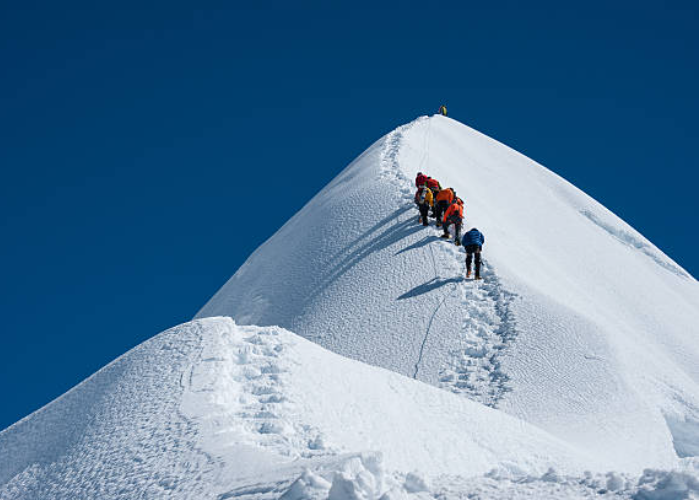
Island Peak Climbing is one of Nepal’s most popular trekking peak adventures. Also known as Imja Tse, Island Peak stands at 6,189 meters in the Everest region. The climb combines classic Himalayan trekking with basic mountaineering and offers an exciting challenge for trekkers who want to step into the world of peak climbing.
The journey begins in Kathmandu and continues with a flight to Lukla. From Lukla, the trail passes through famous Sherpa settlements such as Phakding, Namche Bazaar, Tengboche, Dingboche and Chhukung. You will experience beautiful mountain landscapes, Buddhist monasteries, suspension bridges, forests and traditional Himalayan villages before reaching Island Peak Base Camp.
Before attempting the summit, you will have acclimatization and climbing training. Your experienced climbing guide will teach you how to use essential climbing equipment such as crampons, harnesses, ropes and ice axes.
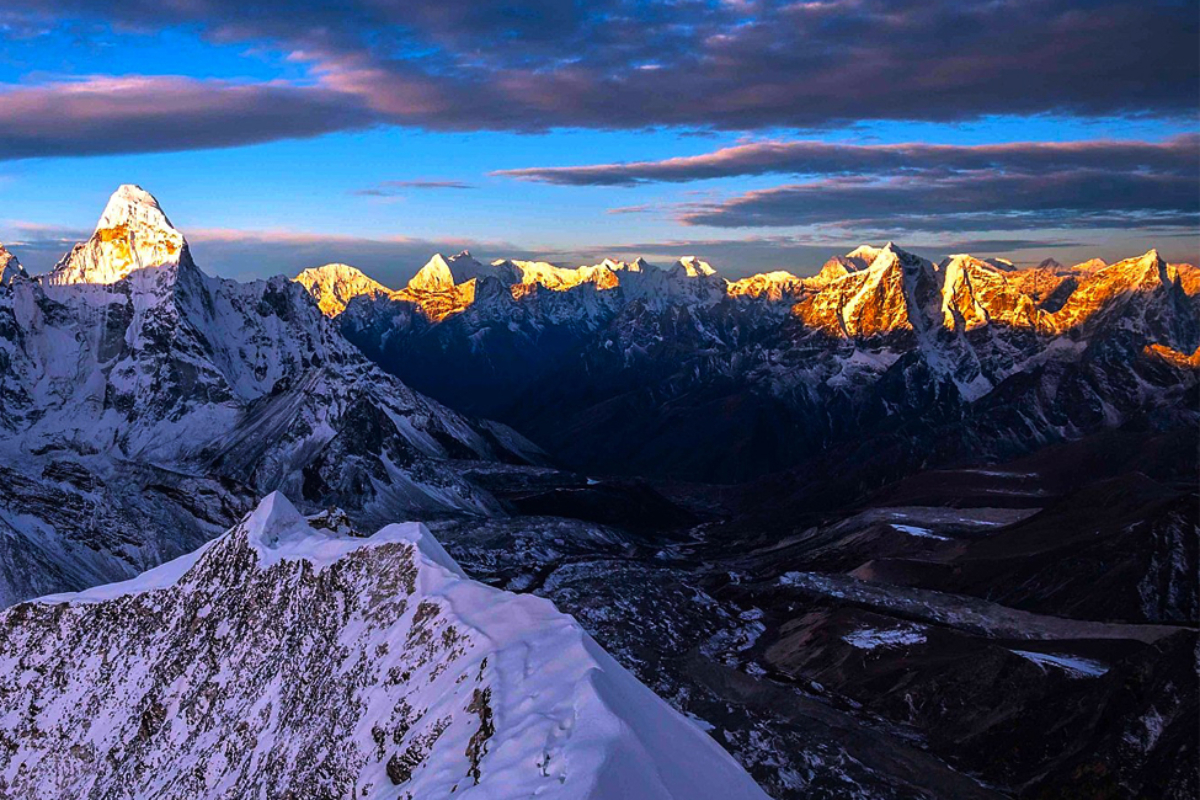
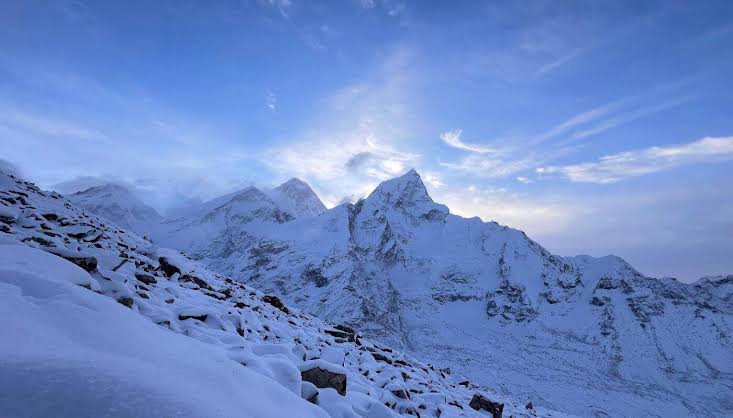
The summit day is the main highlight of the adventure. Starting early in the morning, you climb through rocky, snowy and icy terrain toward the summit. From the top of Island Peak, you can enjoy spectacular views of Lhotse, Nuptse, Ama Dablam, Makalu, Baruntse and other Himalayan peaks.
With experienced guides, proper preparation, a carefully planned itinerary and strong support from Tamang Eco Treks & Expedition, Island Peak Climbing offers an unforgettable Himalayan adventure.
Best Time for Island Peak Climbing
The best time for Island Peak Climbing is during spring and autumn.
Spring – March to May
Spring offers favorable weather and good mountain visibility. The trails are also beautiful with blooming rhododendrons. April and May are particularly popular for peak climbing.
Autumn – September to November
Autumn is one of the best seasons for climbing in Nepal. The monsoon has cleared the atmosphere, resulting in clearer skies and excellent mountain views. October and November are highly recommended.
Winter – December to February
Winter climbing is possible but conditions can be extremely cold. Heavy snowfall and strong winds can make the climb more difficult.
Monsoon – June to August
Monsoon brings rain, clouds and unstable conditions in the lower region. Flight and trail conditions can also be affected.
Recommended Months
March, April, May, October and November
Island Peak Climbing Difficulty
Island Peak is considered a challenging trekking peak. The climb does not require advanced expedition-level mountaineering experience, but it requires good physical fitness, proper acclimatization and basic technical climbing skills. The summit section includes steep terrain, snow and ice, fixed ropes and high-altitude conditions.
Island Peak is suitable for:
- Experienced trekkers
- Physically fit adventurers
- Trekkers interested in their first Himalayan peak
- Climbers with basic mountaineering experience
- Travelers who can handle long trekking days
Previous experience with crampons, ice axe and fixed ropes is helpful. However, the climbing team provides practical training before the summit attempt.
Trip Facts
Island Peak Climbing Highlights
Reach the summit of Island Peak at 6,189 m
Experience your first Himalayan peak-climbing adventure
Trek through the beautiful Everest region
Scenic flight from Kathmandu to Lukla
Explore Namche Bazaar
Visit the famous Tengboche Monastery
Explore Dingboche and Chhukung villages
Enjoy spectacular views of Everest, Lhotse, Nuptse and Ama Dablam
Experience Sherpa culture and traditions
Walk through rhododendron and pine forests
Enjoy a challenging and rewarding summit day
Detailed Itinerary
Welcome to Nepal!
Upon your arrival at Tribhuvan International Airport, a representative from Tamang Eco Treks & Expedition will welcome you and transfer you to your hotel.
After check-in, you can rest and recover from your journey. If you have free time, you can explore the surrounding area of Kathmandu.
In the evening, our team will provide a detailed briefing about your Island Peak Climbing adventure.
Today is dedicated to sightseeing and expedition preparation.
You can explore some of Kathmandu’s cultural attractions and UNESCO World Heritage Sites. Meanwhile, our team will complete the necessary trekking and climbing arrangements.
Your climbing guide will inspect your equipment and explain the climbing plan. If you need to rent or purchase any equipment, our team will assist you.
You will also receive important information about altitude, climbing techniques, safety and the itinerary.
After an early breakfast, take a scenic flight from Kathmandu to Lukla.
The flight offers beautiful views of the Himalayan landscape. After landing in Lukla, meet the trekking and porter team and begin your first day of trekking. The trail passes through small villages, forests and along the Dudh Koshi River. After several hours of walking, you will reach Phakding.
Take the evening to relax and prepare for the following day’s trek.
After breakfast, continue trekking towards Namche Bazaar.
The trail follows the Dudh Koshi River and crosses several suspension bridges. You will enter Sagarmatha National Park and gradually climb through beautiful forests. The final section involves a steady uphill climb to Namche Bazaar.
Namche is the main trading center of the Khumbu region and is surrounded by beautiful mountains. The village has many lodges, shops and cafes.
Today is an important acclimatization day.
Instead of staying inactive all day, you will take a short hike around Namche. Depending on weather and your physical condition, your guide may take you towards the Everest View Hotel or nearby viewpoints. Enjoy your first clear views of Everest, Ama Dablam, Lhotse and other mountains.
You can also explore Namche Bazaar and learn more about Sherpa culture and mountain life.
After breakfast, leave Namche and follow a scenic mountain trail towards Tengboche.
The trail offers beautiful views of Everest, Lhotse, Nuptse and Ama Dablam. You will walk through pine and rhododendron forests before reaching Tengboche Tengboche is famous for its historic Buddhist monastery and spectacular Himalayan surroundings.
Spend the evening exploring the monastery and enjoying the peaceful mountain environment.
Today, the trail continues towards Dingboche.
You will descend through forests and cross the Imja Khola before gradually climbing towards the higher valley. As you gain altitude, the landscape becomes more alpine and open. Ama Dablam dominates the scenery along the route.
Dingboche is a beautiful high-altitude settlement and an important acclimatization point.
Today is another important acclimatization day.
Your guide will arrange a short hike around Dingboche. You may hike to a nearby viewpoint to enjoy panoramic views of the surrounding mountains. The rest of the day is for rest, hydration and preparation for the higher elevations ahead.
After breakfast, leave Dingboche and trek towards Chhukung.
The trail follows the beautiful Imja Valley and offers spectacular views of Ama Dablam, Lhotse and surrounding peaks. As you approach Chhukung, you will notice the landscape becoming more rugged and alpine.
Chhukung is the last major settlement before Island Peak Base Camp.
Today you trek towards Island Peak Base Camp.
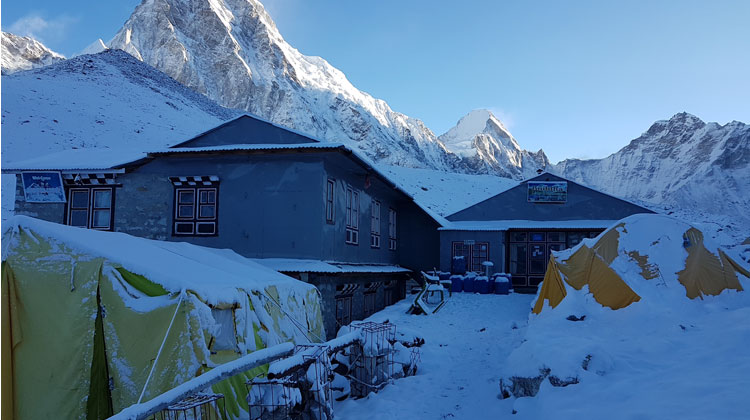
The trail passes through rocky and glacial terrain. Island Peak becomes increasingly impressive as you approach the base camp. After reaching Base Camp, the climbing team will establish the camp and prepare for the summit.
Your climbing guide will inspect your equipment and provide a detailed briefing about the summit attempt.
Today is dedicated to climbing training and preparation.
Your professional climbing guide will teach you essential mountaineering techniques, including:
- Crampon walking
- Ice axe techniques
- Rope handling
- Fixed-rope climbing
- Descending techniques
- Harness use
- Carabiner use
- Basic glacier safety
You will practice these techniques under the supervision of your climbing guide. This training is important, especially for climbers with limited previous mountaineering experience.
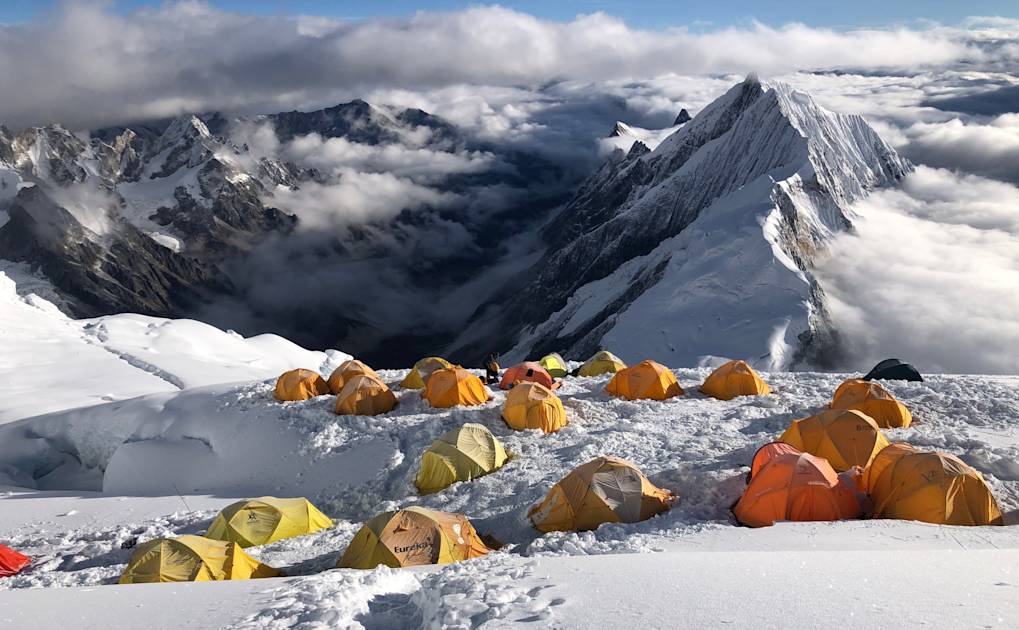
Depending on weather, route conditions and the climbing team’s plan, you will move towards Island Peak High Camp. The terrain becomes steeper and more challenging as you climb higher. Your guide will carefully assess the weather and route conditions before deciding the safest approach.
After reaching High Camp, have an early meal and rest. The summit attempt will begin very early the following morning.
Today is the most important day of the entire expedition.
You will wake up very early, usually around midnight or in the early morning, and begin the climb toward the summit.
The route includes rocky sections followed by snow and ice terrain. Depending on the conditions, you will use crampons, ropes, harnesses, ice axe and other climbing equipment. The final section can be physically demanding, so you will climb slowly and follow the instructions of your guide. After reaching the summit of Island Peak at 6,189 m, enjoy the incredible panoramic views of the surrounding Himalayan peaks.
After taking photographs and spending some time at the summit, begin your descent. Return to Base Camp and enjoy a well-deserved rest.
After the successful summit attempt, begin your descent.
You will retrace the trail through Chhukung and continue towards Pangboche.
The lower altitude brings warmer temperatures and greener landscapes. Enjoy the beautiful views of Ama Dablam and surrounding mountains as you descend.
- Continue your journey back towards Namche Bazaar.
- The trail passes through forests, traditional villages and scenic mountain landscapes.
- After reaching Namche, take time to relax and celebrate your successful Island Peak climbing adventure.
Today is your final trekking day.
Descend from Namche towards Lukla, following the Dudh Koshi River and passing through Phakding and other small villages.
After reaching Lukla, enjoy your final evening in the Everest region with your trekking team.
- After breakfast, take a scenic flight from Lukla to Kathmandu, subject to weather and flight conditions.
- After arriving in Kathmandu, transfer to your hotel and enjoy the rest of the day at leisure.
- You can relax, shop for souvenirs or explore Kathmandu.
Your Island Peak Climbing – 18 Days adventure with Tamang Eco Treks & Expedition comes to an end today. Our representative will transfer you to Tribhuvan International Airport according to your flight schedule. Take home unforgettable memories of the Everest region and your Island Peak summit experience.
Not satisfied with this Itinerary?
Are you interested on planning custom trip? It only takes 2 minutes.Cost Details
Cost Includes
Airport pickup and drop-off
Kathmandu hotel accommodation as mentioned in the itinerary
Kathmandu–Lukla–Kathmandu domestic flights
Experienced trekking guide
Professional Island Peak climbing guide
Required trekking permits
Island Peak climbing permit
Sagarmatha National Park entry fee
Local government fees
Tea-house accommodation during the trek
Camping accommodation at Island Peak Base Camp
Camping equipment
Breakfast, lunch and dinner during trekking and climbing days
Breakfast in Kathmandu
Porters
Porter salary, food and accommodation
Climbing guide salary and expenses
Necessary climbing support
Basic climbing equipment as agreed in the package
Kitchen and support staff for camping
Basic first-aid kit
Government taxes
Company service charges
Cost Excludes
International airfare
Nepal visa fee
Travel insurance
Emergency medical expenses
Helicopter rescue and evacuation
Personal climbing equipment
Personal trekking equipment
Extra hotel nights in Kathmandu
Lunch and dinner in Kathmandu
Bottled water
Tips for guides, porters and staff
Equipment
Here is a list of what you might want to pack for the hike. Please take this as a starting point. You’ll need layers of warmer clothing during the winter. We provide a 75 liter duffel bag for you to use for the trek. It will be given to you during your pre-trip meeting in Kathmandu. The duffle bag is yours to keep. Also, you can rent sleeping bag and down jacket with us at the additional fee of USD 35 for each once you are in Kathmandu.
All the ground transportation as per itinerary.
Welcome or fare well dinner in kathmandu.
Standard Hotel in Kathmandu and Pokhara with breakfast.
First aid medical kit, Ox meter to check pulse, heart rate and oxygen saturation at higher altitude.
All the ground transportation as per itinerary.
Welcome or fare well dinner in kathmandu.
Standard Hotel in Kathmandu and Pokhara with breakfast.
Frequently Asked Questions (FAQs)
Yes. Island Peak is considered a challenging trekking peak because of its high altitude, steep sections, snow and ice terrain and long summit day.
Previous climbing experience is helpful but not always mandatory. Fit trekkers can attempt Island Peak with proper preparation and professional climbing guidance.
Essential equipment includes mountaineering boots, crampons, ice axe, harness, helmet, climbing rope equipment, warm clothing and a suitable sleeping bag.
Yes, some climbing equipment can be rented in Kathmandu or the Everest region. Our team can assist you with equipment arrangements.
Yes. Tamang Eco Treks & Expedition can customize the Island Peak itinerary based on your travel dates, group size, fitness level and requirements.
Reviews
Enter a recent customer’s contact info and we’ll ask them to leave you a review.
What they say!


-
Head Office

-
Tamang Eco Treks
Tarkeshwor, Kathmandu - Call/Whatsapp: 9841903545
- Email: info@tamangecotreks.com
-
Tamang Eco Treks
-
Jarman

-
Spain

- Pedro Gilthoniel
- Email: Email-pedrogilthoniel@yaoo.es
-
France

We’re associated with


